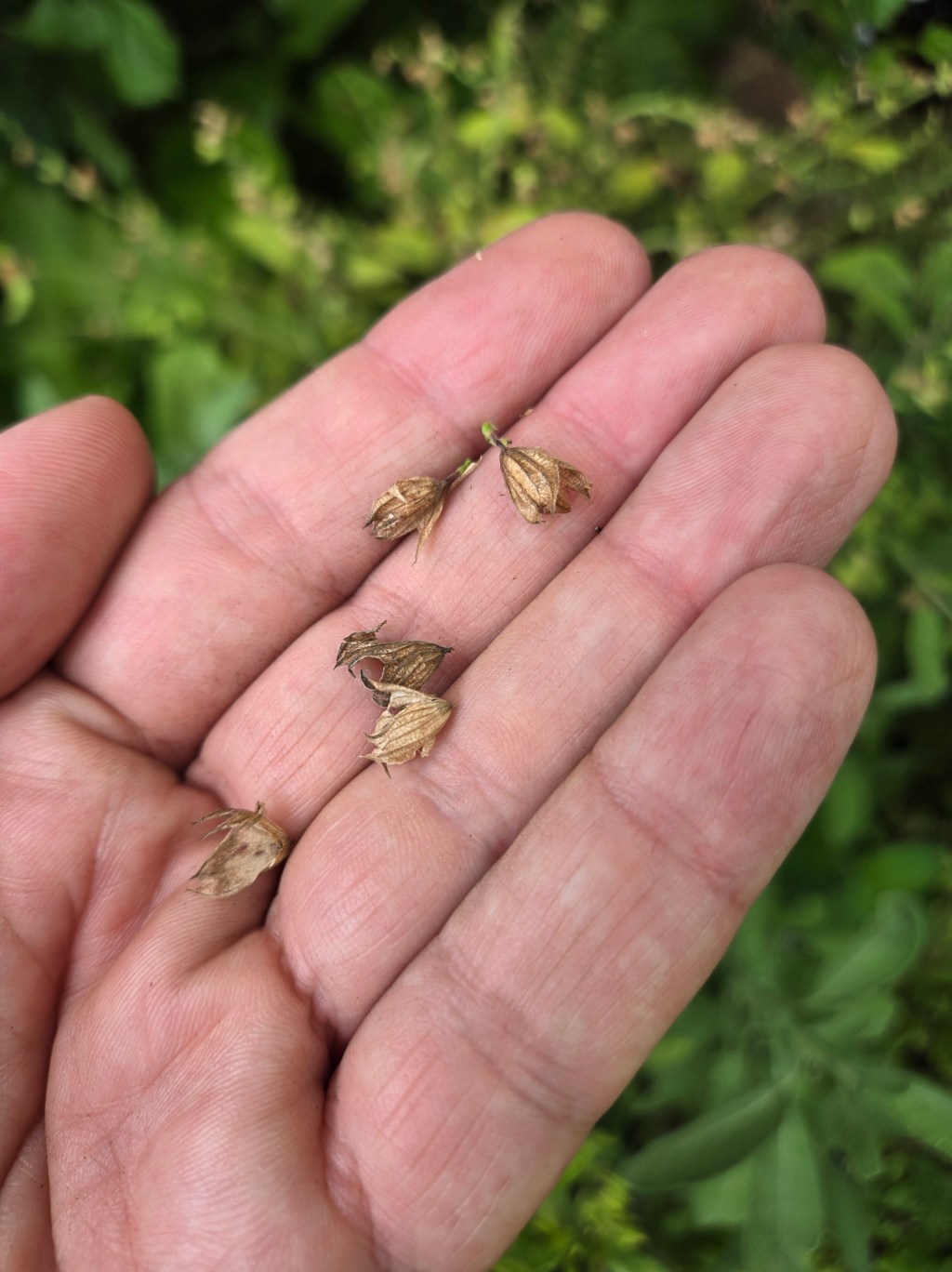
With all of the heat we’ve had here in Missouri lately, some plants and herbs in our gardens are already starting to bolt. This means the plant has produced or flowered and is reaching the end of its life cycle for the season. One of our favorite gardening activities to do during this time is to collect the seeds and store them to plant or sell next year.
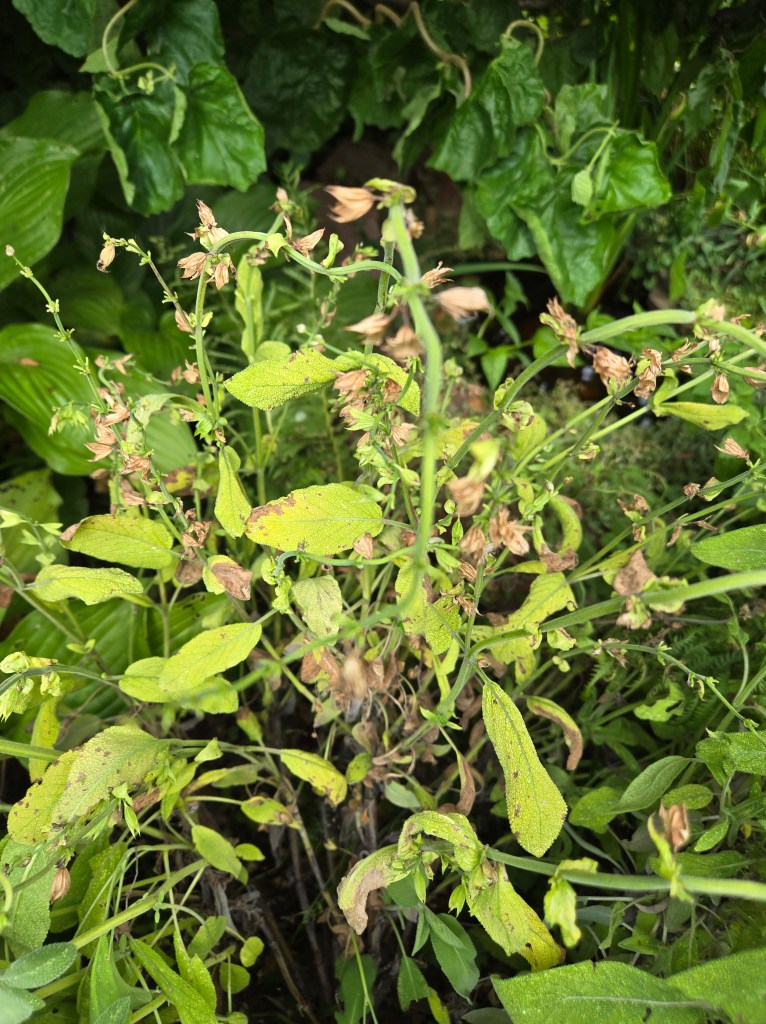
This is a large sage plant that we have in our garden. Sage is a perennial for us and this particular plant bloomed quite early this year. The small brown husks were once flowers, and inside each one is a single seed. As you walk around your garden, you’ll want to look for plants where the flowers have turned completely brown. You’ll want to inspect them each day as seeds can quickly be scattered by wind or eaten by birds. Don’t be tempted to harvest them too early. Wait for the flowerhead to turn completely brown to insure the seed is ready.
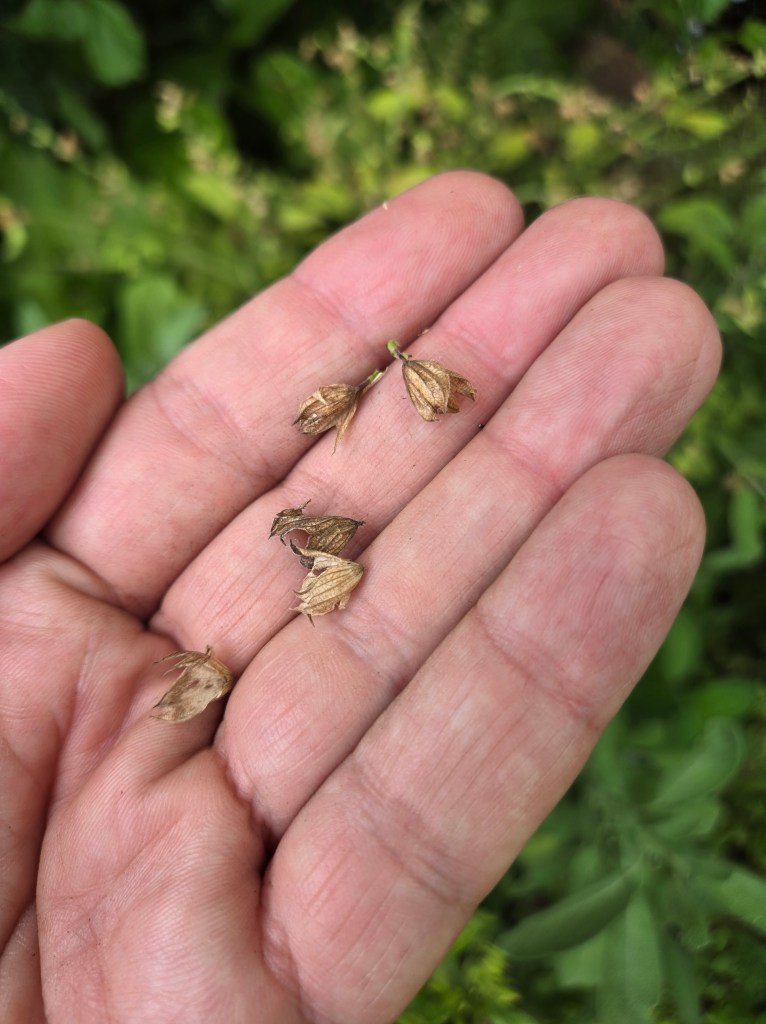
Gently collect the flowerheads and put them in a ziploc bag. If you shake the bag, the seeds will often come out. Some flowerheads, like coneflowers, are a little harder to manage. Put these in a plastic container with a lid and shake the container to loosen the seeds.
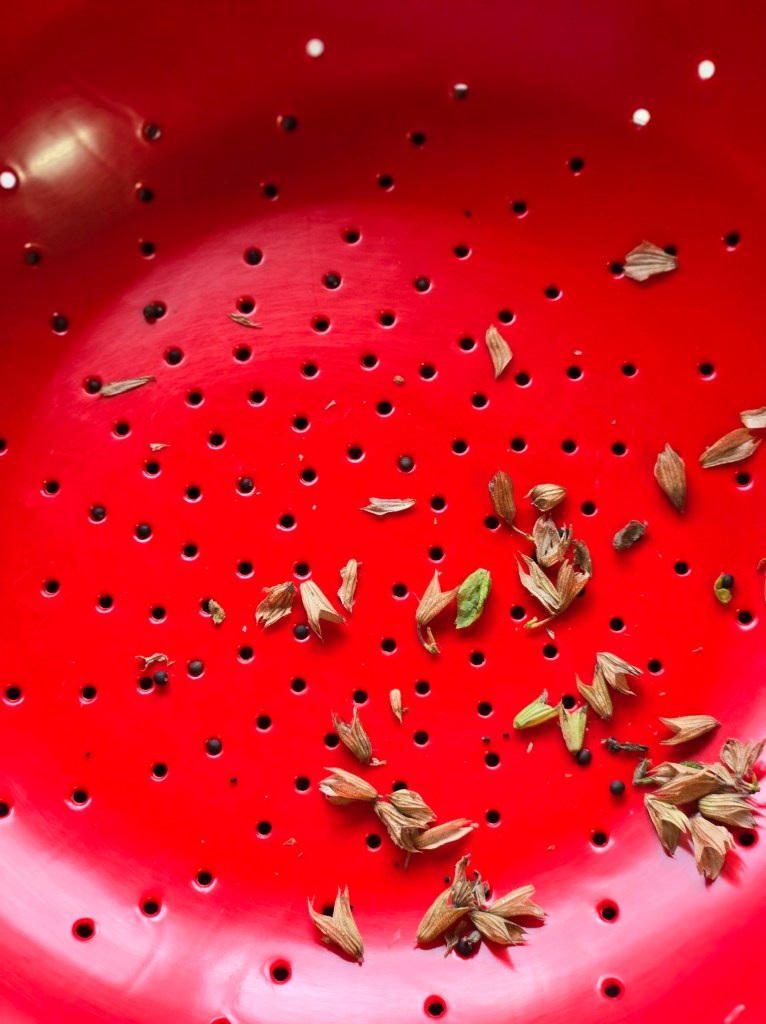
Next, you’ll want to separate the seeds from the chaff. Chaff is the leftover dead stems and petals. A colander works well if the seeds are small enough to fit through the holes. Place the colander over a plate or bowl and shake it around until the seeds fall through.
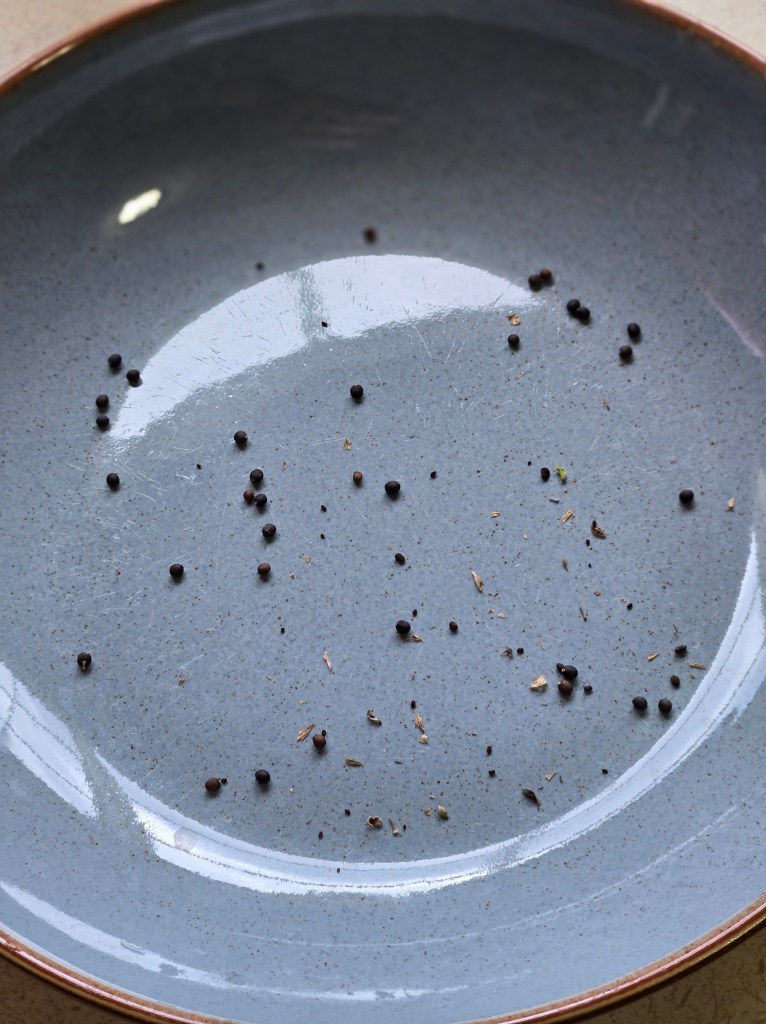
Some seeds are tiny and hard to identify or separate from the chaff, so do your research online to determine what the seeds look like for the particular plant you are collecting from if you don’t already know.
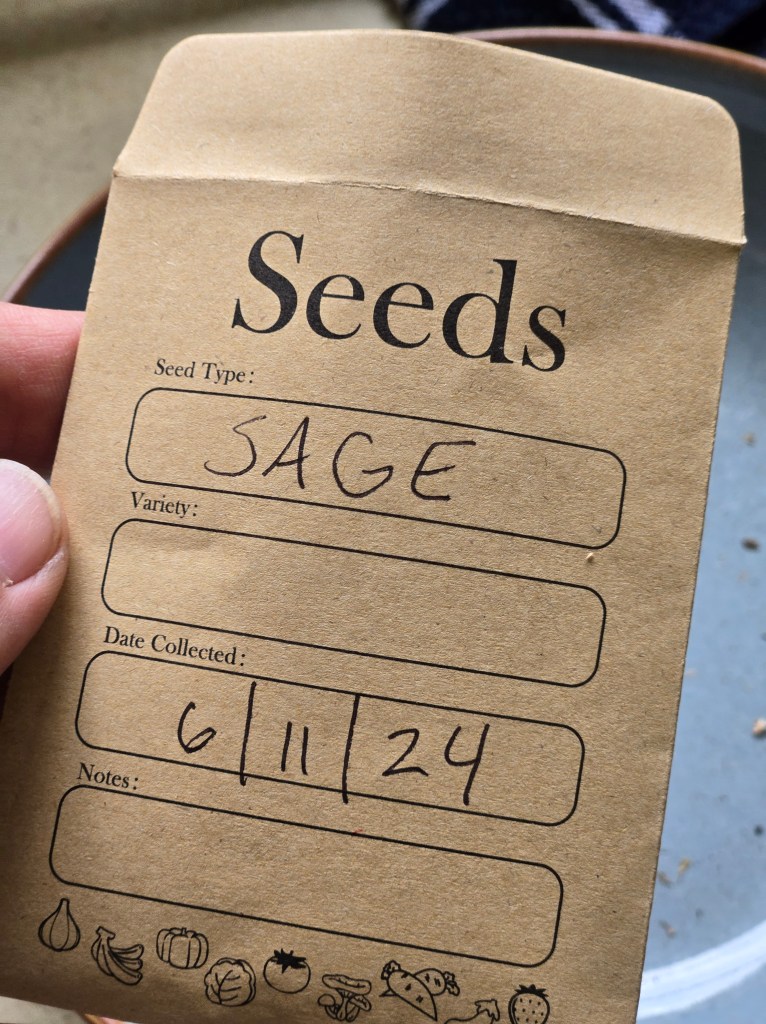
Store your seeds in a bag or envelope,, anything that keeps them cool and dry until it’s time to plant them, and be sure to label and date them. A good rule to follow is that your seeds are generally good for one year. The germination rate typically drops as the seeds get older.

 Hine Herbary
Leave a comment